
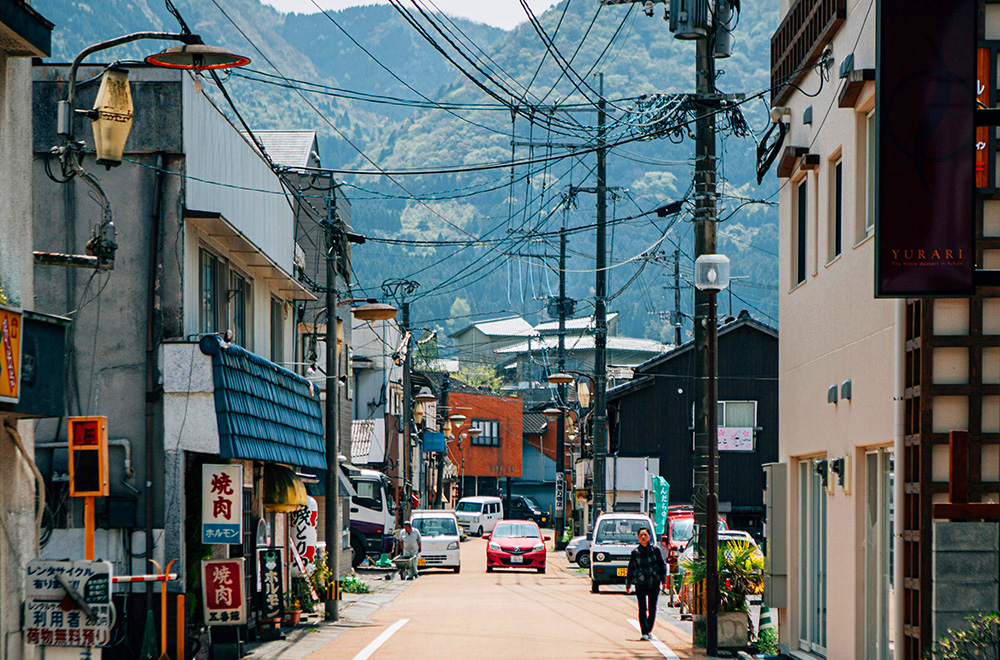
For anyone considering buying an akiya or moving into a Japanese neighborhood, one local institution often surprises newcomers: the town association, known in Japanese as chōnaikai (町内会) or jichikai (自治会). These community groups play an important role in daily life across Japan, particularly in smaller towns and rural areas where akiya are most common. Understanding what they are, how they work, and what to expect as a homeowner can help you settle more smoothly into your new community.
The Role of Town Associations
Town associations are neighborhood-level organizations that coordinate community activities, manage shared resources, and act as a link between residents and local government. Membership is usually tied to households rather than individuals, and in many places, it is expected that all residents join once they move in.
The origins of town associations go back centuries, when communities organized themselves for mutual aid, security, and neighborhood maintenance. In the modern era, they continue to function as grassroots civic groups, ensuring that small communities remain connected and organized.
What Town Associations Do
Town associations take on a wide range of responsibilities. Some of the most common include:
- Organizing festivals and events: From seasonal matsuri to neighborhood sports days, associations keep local traditions alive.
- Managing disaster preparedness: Many associations store emergency supplies, conduct evacuation drills, and coordinate disaster response.
- Maintaining public spaces: Members may help clean parks, maintain roadside greenery, or organize trash collection points.
- Sharing information: Associations distribute newsletters, announcements, and notices from the local government.
- Promoting safety: They may run neighborhood watch programs, check on elderly residents, and encourage safe traffic behavior.
In rural areas where akiya are common, town associations are often essential for maintaining community life in shrinking populations.
Membership and Costs
Joining a town association typically requires paying an annual or monthly fee. The amount varies depending on the area but often ranges from a few thousand yen to several tens of thousands per year. These fees go toward event funding, facility upkeep, and administrative costs.
Participation in activities may also be expected, especially in smaller towns. This could mean helping set up festival booths, taking turns at trash collection points, or assisting with neighborhood patrols. In urban areas, participation is usually lighter, but in rural communities, involvement is more visible and valued.
Why Town Associations Matter for Akiya Buyers
For akiya buyers, especially those relocating from abroad or from big cities, joining a town association can be a key step in building trust with neighbors. In many cases, local residents view membership as part of being a responsible member of the community.
Some points to keep in mind:
- Expectations vary by region: In Tokyo suburbs, membership may be optional. In rural towns, it is often considered mandatory.
- Communication may be in Japanese only: Foreign residents may need help from bilingual neighbors or translation tools.
- Community ties are valuable: Neighbors often share useful information about the area, from local history to practical tips about water systems, farming, or wildlife.
Being part of a town association can also make daily life easier, since associations distribute notices about garbage collection rules, local hazards, or municipal services.
Challenges and Considerations
While town associations offer benefits, they also come with responsibilities. Some newcomers feel pressured by the time commitments, especially if they work long hours or live in Japan part-time. Others may find the expectations around participation difficult to balance with modern lifestyles.
In recent years, declining populations have also strained associations. With fewer residents, the burden of community upkeep often falls on fewer people, which can lead to frustration. Still, for many rural communities, these associations remain the glue that holds local life together.
Conclusion
Town associations are a unique and deeply rooted feature of Japanese community life. For akiya buyers, joining one is often an important step toward being accepted in the neighborhood. While membership comes with fees and responsibilities, it also brings opportunities to connect with neighbors, learn local traditions, and contribute to the preservation of rural communities. Far from being a formality, town associations can help turn an old house into a real home within a living community.