
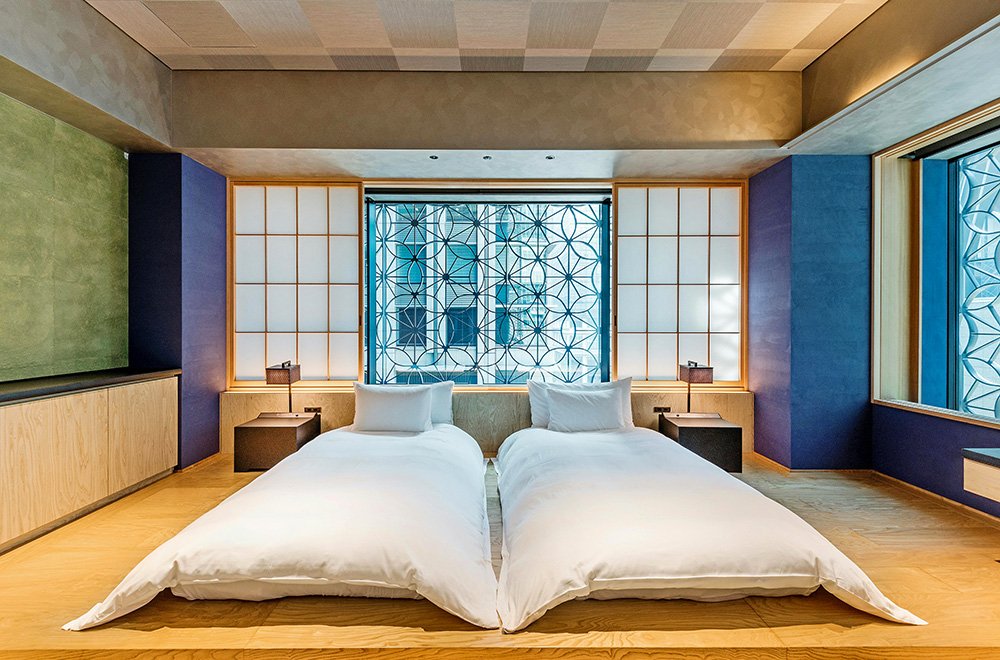
Across Japan, thousands of akiya, vacant and abandoned homes, are waiting for new life. For creative buyers, one of the most promising opportunities is to transform these properties into guesthouses or short-term rentals. Platforms like Airbnb have made it possible to welcome visitors from all over the world, while rural towns are eager for revitalization through tourism. The path from abandoned house to thriving guest accommodation is not always straightforward. This guide explores what to expect, what rules apply, and how to make an akiya into a guest-ready property.
Why Turn an Akiya into a Guesthouse?
Japan’s inbound tourism has grown significantly in recent years. Even outside major cities, travelers are looking for authentic stays where they can experience local culture. Akiya offer unique charm, from traditional architecture to rural settings, or the chance to sleep in a farmhouse. For owners, turning an akiya into a guesthouse creates both income and community value.
Unlike city apartments, rural akiya often have larger floor plans, gardens, and historical character. These features appeal to travelers seeking something more personal than hotels. At the same time, local governments are increasingly open to supporting these projects as part of regional revitalization efforts.
Legal Requirements and Licensing
Running an Airbnb or guesthouse in Japan is subject to regulations under the Minpaku Law (Private Lodging Business Law). Some key points include:
- Registration: Owners must register with local authorities. In many municipalities, the limit is 180 days per year for Airbnb-style rentals.
- Zoning Rules: Not all residential zones allow short-term rentals. Always check with the local government office before starting.
- Safety Standards: Guesthouses must meet fire safety and building code requirements, which may include fire alarms, extinguishers, emergency lighting, and evacuation plans.
- Sanitation: Adequate bathroom and kitchen facilities must be provided. In rural areas with septic tanks, this may require upgrades.
- Management: If you do not live onsite, you may need a licensed management company to oversee guest check-ins and compliance.
Failure to comply can result in fines or suspension, so it is essential to research regulations in the municipality where your akiya is located.
Renovation Priorities for Guesthouses
Akiya often need significant upgrades to become suitable for hosting guests. Focus on these areas:
Safety and Structure
Repair foundations, roofs, and electrical systems first. Install modern fire alarms and confirm earthquake resistance where possible.
Comfort and Modern Amenities
Guests expect clean bathrooms, reliable hot water, and comfortable beds. Upgrade plumbing and heating systems, and consider adding air conditioning in both summer and winter climates.
Aesthetic Preservation
Highlight traditional features such as tatami rooms, wooden beams, or sliding doors. Combining modern comfort with authentic design creates a memorable guest experience.
Accessibility
Clear pathways, improve lighting, and consider barrier-free upgrades if you want to attract a wider audience.
Marketing and Positioning
To stand out on Airbnb or as an independent guesthouse, think carefully about your unique value.
- Cultural Storytelling: Share the history of the house or the traditions of the town.
- Experiences: Offer extras such as cooking lessons, farming experiences, or guided hikes.
- Design: Invest in professional photography to showcase both the property and its setting.
- Seasonality: Promote seasonal experiences, from cherry blossoms in spring to snow landscapes in winter.
Rural guesthouses often thrive by connecting visitors to authentic experiences rather than just offering a place to sleep.
Challenges to Consider
While the idea of converting an akiya into a guesthouse is appealing, there are challenges.
- Upfront Costs: Renovations can be expensive, especially if structural or plumbing upgrades are required.
- Regulation Complexity: Rules differ by municipality, and approvals may take time.
- Competition: Urban Airbnb markets are saturated. Rural areas may offer less competition but also fewer guests.
- Management: Running a guesthouse requires ongoing cleaning, guest communication, and maintenance. Outsourcing these services reduces profit margins.
Careful planning and realistic budgeting are essential.
Conclusion
Turning an akiya into an Airbnb or guesthouse is both a business opportunity and a contribution to community revitalization. While regulations and renovations require effort, the reward is a property that provides income, preserves local heritage, and welcomes travelers into a unique slice of Japan. With thoughtful design, compliance, and cultural storytelling, an abandoned house can become a thriving destination. If you are ready to begin, Akiya Heaven can help you find the right property and guide you in turning it into a successful business opportunity.