
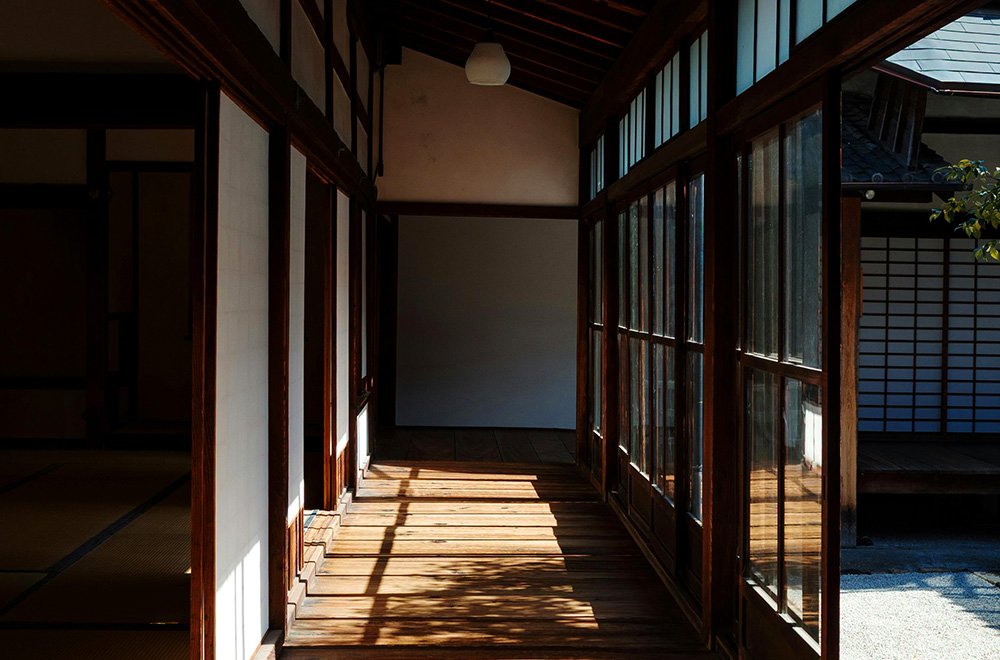
For many people, the idea of buying an akiya, a vacant or abandoned house in Japan, is tied to a dream of simpler living. Some buyers take that dream a step further by aiming for off-grid independence, reducing reliance on public utilities and embracing a lifestyle closer to nature. Off-grid akiya living can be liberating, but it also comes with challenges. This article explores what it means, what to expect regionally, and how to prepare for a successful off-grid life.
What Does Off-Grid Living Mean in Japan?
Living off-grid means meeting your daily needs without relying fully on public infrastructure. In the context of an akiya, this typically includes:
- Electricity: Solar panels, micro-hydro systems, or generators instead of utility power.
- Water: Wells, natural springs, or rainwater harvesting rather than city supply.
- Wastewater: Septic tanks or composting toilets instead of municipal sewage.
- Heating and Cooling: Wood stoves, kerosene, or passive design strategies in place of modern HVAC systems.
- Food Supply: Small-scale farming, gardening, or foraging to reduce dependence on supermarkets.
In rural Japan, many of these systems already exist in some form, since old homes were often built before modern utilities reached the countryside.
Why Choose Off-Grid Akiya Living?
- Self-Sufficiency: Greater independence from rising energy costs and fragile supply chains.
- Environmental Sustainability: Reduced carbon footprint by using renewable energy and natural resources.
- Cultural Connection: Living closer to how rural Japanese families once managed daily life.
- Lifestyle Choice: Many buyers seek quiet, nature-rich locations where off-grid solutions make practical sense.
Challenges of Off-Grid Akiya Life
While appealing, off-grid living in Japan is not without hurdles:
- Upfront Costs: Installing solar panels, water systems, or septic upgrades requires significant investment.
- Maintenance: Wells, filters, and septic tanks need regular care. Neglect leads to contamination or breakdowns.
- Climate Extremes: Heavy snow in the north, high humidity in the south, and seasonal storms require flexible systems.
- Regulations: Local governments may restrict certain setups, especially for waste disposal or water use.
- Isolation: Remote locations mean fewer services and less immediate support when problems arise.
Regional Differences in Off-Grid Possibilities
Hokkaido and Tohoku
Abundant natural resources such as rivers and forests make wood stoves and micro-hydro systems feasible. The challenge is extreme cold, which requires strong insulation and reliable heating.
Chubu and Mountain Regions (Nagano, Gifu)
Mountain springs provide excellent water sources, and solar power is effective in clear high-altitude areas. Snow management is critical, as blocked roofs can disrupt solar panels.
Kansai and Chugoku
Old farmhouses here often already rely on wells or septic tanks. Moderate climates make food production easier, though summer humidity creates mold and insect issues.
Shikoku and Kyushu
Warm, humid climates allow long growing seasons for food self-sufficiency. However, termites and typhoons can pose risks to traditional wooden homes.
Okinawa
Abundant sun makes solar power highly effective, but typhoons threaten panels and infrastructure. Rainwater collection is practical, though high salt air levels can corrode systems.
Steps to Transition an Akiya Off-Grid
- Survey Utilities: Check whether the akiya already has a well, septic system, or disconnected power lines.
- Assess Energy Needs: Decide between solar, hydro, or hybrid systems. A backup generator is often essential.
- Plan Water Systems: Test wells for safety, and install filters or UV sterilizers. Rainwater tanks can supplement supply.
- Upgrade Insulation: Improve comfort and reduce energy consumption.
- Add Renewable Heating: Consider wood-burning stoves or pellet heaters.
- Set Up Waste Management: Inspect or replace septic tanks, or explore composting toilets where legal.
- Design for Food Security: Build gardens, greenhouses, or permaculture systems.
Lifestyle Adjustments
Off-grid living in Japan requires flexibility. Expect to:
- Heat or cool only occupied rooms instead of the whole house.
- Balance energy consumption with weather patterns.
- Take on maintenance tasks yourself, from chopping wood to checking solar batteries.
- Rely more on seasonal rhythms, such as eating vegetables when they are in harvest.
For some, these changes are a challenge. For others, they are exactly the appeal of akiya life.
Conclusion
Off-grid living in an akiya is both a return to traditional rural practices and a step toward modern sustainability. While the challenges are real, including upfront investment, climate management, and self-maintenance, the rewards are independence, resilience, and a deeper connection to Japan’s natural environment. For buyers ready to embrace this lifestyle, Akiya Heaven can help you find the right property, assess its off-grid potential, and guide you through creating a home that is both independent and livable.