
If you are researching abandoned houses in Japan, you will quickly encounter two terms that are often used interchangeably: akiya and kominka. At first glance, they may seem to describe the same thing. In reality, they refer to very different types of properties, and misunderstanding the difference can lead to unrealistic expectations, unexpected costs, or missed opportunities.
This article explains the real difference between akiya and kominka, why the distinction matters, and how each fits into Japan’s housing landscape. If you are exploring your first rural property, this clarity will help you make better decisions from the very beginning.
What Is an Akiya?
An akiya is simply an unoccupied or abandoned home. The word does not describe age, architectural style, or cultural value. It only describes the fact that no one is currently living there.
Akiya exist in every part of Japan, from remote mountain villages to suburban neighborhoods near major cities. Some are modern homes built in the 2020s. Others are older than a century. What they share is vacancy, often caused by inheritance issues, population decline, or owners moving to urban areas.
Key characteristics of akiya
- Can be old or relatively modern
- May be structurally sound or severely deteriorated
- Often sold at low prices, sometimes even free
An akiya can be a bargain or a liability. The condition varies widely, which is why inspections and local research are critical.
What Is a Kominka?
A kominka is a traditional Japanese house, generally built before World War II. Unlike akiya, kominka are defined by architectural style, craftsmanship, and historical context rather than occupancy status.
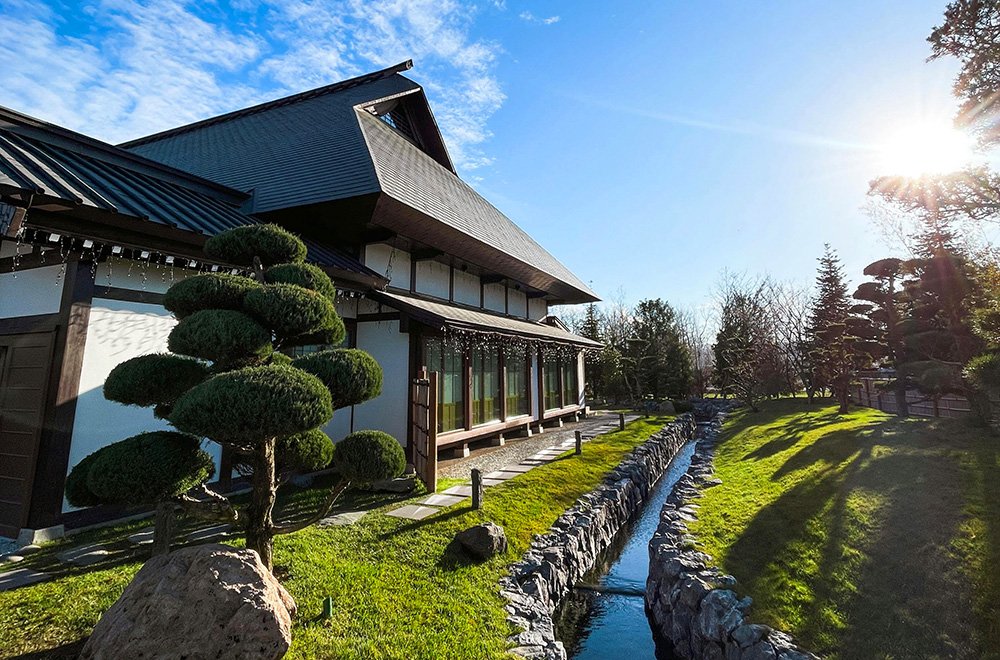
Kominka were often farmhouses, merchant homes, or village residences built using timber frames, earthen walls, and tiled or thatched roofs. Many were designed to last generations and can still be structurally sound today if properly maintained.
Key characteristics of kominka
- Usually built before 1950
- Traditional materials and construction methods
- Cultural and aesthetic value
- Often larger and more complex to renovate
A kominka can be occupied or abandoned. An abandoned kominka is both an akiya and a kominka at the same time.
The Core Difference in Simple Terms
The easiest way to understand the difference is this:
- Akiya describes status
- Kominka describes style and age
Not all akiya are kominka, and not all kominka are akiya.
A vacant 1998 suburban home is an akiya but not a kominka. A beautifully restored farmhouse from 1890 that someone lives in full-time is a kominka but not an akiya.
Why the Difference Matters for Buyers
Understanding this distinction affects everything from budget planning to lifestyle expectations.
Renovation costs
Kominka often require specialized skills, traditional carpentry, and careful restoration. Costs can be higher but results can be extraordinary. Akiya that are not kominka may allow for simpler renovations using modern materials.
Legal and regulatory considerations
Some kominka fall under local preservation guidelines or cultural landscape protections. These can limit renovation options but may also provide access to subsidies. Akiya without historical value usually face fewer restrictions.
Maintenance expectations
Kominka require ongoing care, especially for wood, roofs, and ventilation. Modern akiya may have lower long-term maintenance demands, depending on construction quality.
Resale and long-term value
Kominka appeal to a narrower but often passionate audience. They can hold cultural value and emotional appeal. Standard akiya are usually evaluated more strictly on location and condition.
Common Misconceptions
One common misunderstanding is that all cheap rural houses are kominka. In reality, many low-cost listings are postwar homes with no traditional features.
Another misconception is that kominka are always impractical. While some require major work, others have already been sensitively renovated and are surprisingly comfortable.
Which Is Right for You?
There is no universally better choice. It depends on your goals.
Choose an akiya if:
- You want a low-cost entry point
- You prefer modern layouts
- You want flexibility in renovation
Choose a kominka if:
- You value traditional aesthetics
- You enjoy restoration projects
- You want a strong connection to Japanese architectural heritage
Some buyers intentionally look for abandoned kominka, combining affordability with cultural depth. Others prefer newer akiya that can be updated quickly and lived in with minimal disruption.
Final Thoughts
Akiya and kominka are not competing categories. They answer different questions. One tells you whether a house is lived in. The other tells you what kind of house it is.
Understanding that difference helps you avoid costly assumptions and choose a property that truly fits your lifestyle, budget, and long-term plans. For first-time buyers, this knowledge alone can be the difference between a rewarding experience and a frustrating one.