
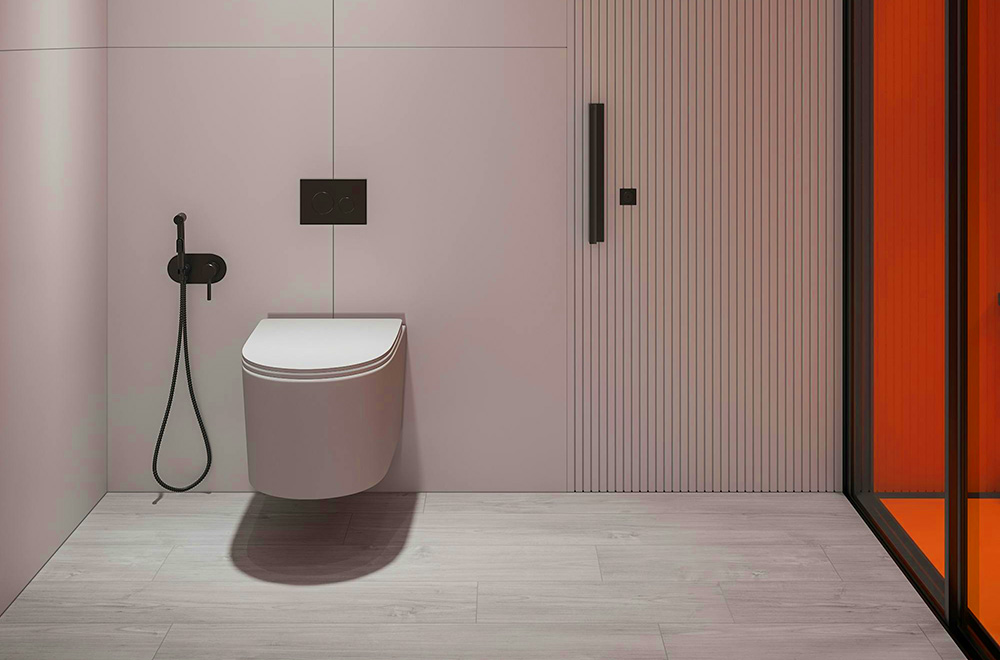
For many first-time buyers exploring akiya (abandoned houses) or even newer Japanese homes, a common surprise is the lack of toilets on every floor. In Western countries, it is standard for multi-story houses to include a bathroom on each level, but in Japan, this is often not the case. The reasons are rooted in history, culture, building practices, and cost considerations.
Traditional Housing Layouts and Shared Facilities
Japanese homes have historically been designed around efficiency rather than duplication of facilities. Bathrooms, toilets, and laundry spaces were typically grouped together in a single part of the house, close to the kitchen or back entry. This made plumbing easier and cheaper, since water and waste lines could be centralized.
Unlike modern expectations of convenience, families in traditional Japan were accustomed to sharing one set of facilities. Even in large households, one toilet was seen as sufficient. Multiple bathrooms were unnecessary luxuries rather than basic needs.
The Cost of Plumbing Across Multiple Floors
Another reason is cost. Installing toilets on multiple floors requires additional plumbing, vertical piping, and sometimes pump systems, especially in older homes where water pressure was weaker. During the postwar housing boom of the 1950s through the 1970s, houses were built quickly and affordably to accommodate population growth. Builders focused on providing the essentials, not on doubling fixtures.
For this reason, even two-story homes often ended up with just a single toilet on the ground floor.
Space Constraints in Japanese Homes
Japanese homes are generally smaller than their Western counterparts. Floor plans emphasize maximizing living areas such as the tatami room or family space. Dedicating precious square meters to additional bathrooms was often considered wasteful. Instead, houses prioritized multi-use rooms and storage.
In compact urban neighborhoods, where lots are narrow and homes are built close together, bathrooms were designed to be practical and compact. Having one toilet was usually seen as enough.
The Evolution of Toilets in Akiya and Rural Homes
In many rural homes, toilets were originally located outdoors in small detached facilities. Over time, as lifestyles modernized, these were moved indoors. However, since the renovation was often minimal, homes usually gained a single indoor toilet rather than multiple ones.
This is why many akiya you encounter today, especially traditional farmhouses (kominka), may still only have one toilet despite their size and multiple floors.
Modern Trends: Changing Expectations
Contemporary housing in Japan is beginning to shift toward Western standards. New suburban homes often feature two toilets, typically one on each floor. This reflects modern lifestyles, larger families, and growing expectations of comfort and convenience.
Still, in urban centers where land is scarce and homes are compact, it is not unusual to find new builds with just one toilet, even in two-story houses. The choice often comes down to balancing cost, available space, and family needs.
What This Means for Akiya Buyers
For those considering buying or renovating an akiya, the lack of multiple toilets is something to factor into your plan. Adding another toilet is possible, but it may require significant plumbing work depending on the structure of the house. In some rural areas with septic tanks instead of city sewage systems, additional installations may also need regulatory approval.
The key is to decide whether convenience justifies the cost of upgrading. Some buyers embrace the traditional single-bathroom layout, while others see it as a worthwhile modernization project.
Conclusion
The absence of toilets on every floor in Japanese homes reflects a combination of history, culture, cost-saving, and space efficiency. While it may surprise foreign buyers, it has long been considered normal in Japan. Today’s housing market shows a gradual shift toward multiple bathrooms, but older akiya remain rooted in older traditions. For buyers, this quirk is both a challenge and an opportunity—an authentic reminder of how Japanese homes evolved, and a chance to decide whether to preserve or modernize.