
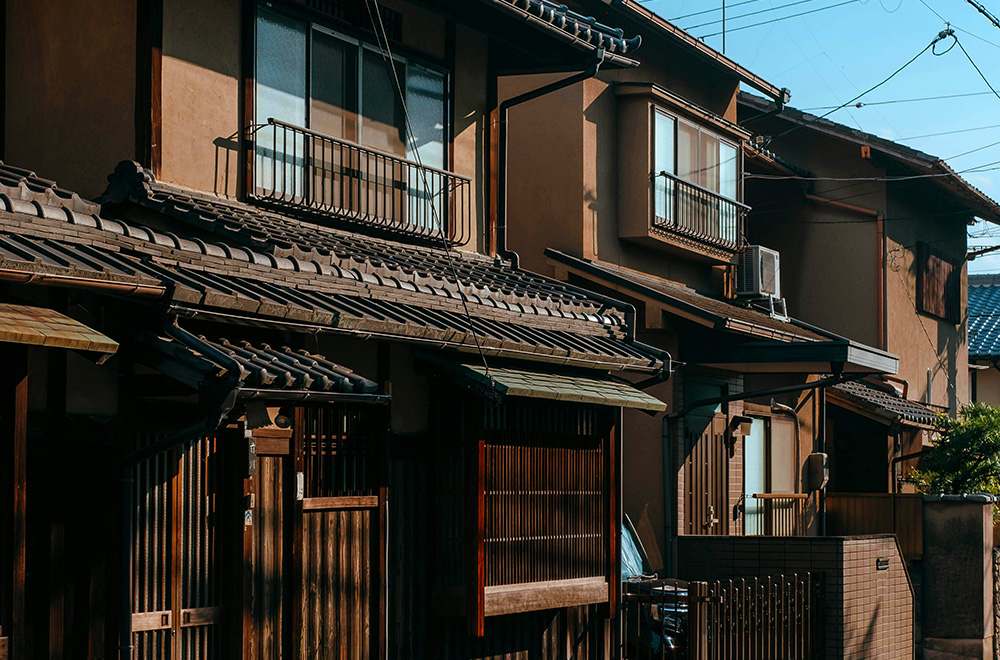
For anyone exploring the world of akiya, Japan’s vacant and abandoned houses, few terms spark as much confusion and caution as non-rebuildable property (再建築不可物件, saikenchiku fuka bukken). These homes often come with extremely low price tags, but the risks are not always obvious at first glance. Understanding what non-rebuildable means, why such properties exist, and how they affect your options as a buyer is crucial before you consider signing any contract.
The Definition of a Non-Rebuildable Property
In Japan, a non-rebuildable property refers to a house that cannot be rebuilt in its current location if it is demolished, destroyed, or severely damaged. In other words, you can repair and renovate the existing structure, but if it is ever torn down, you cannot legally construct a new house on the same land.
This limitation is rooted in the Building Standards Act (建築基準法), which sets rules about road access, minimum lot conditions, and zoning. If a property does not meet these requirements, it becomes “non-rebuildable.”
Why Non-Rebuildable Properties Exist
The main reason is road access. According to Japanese law, for a house to be rebuildable, its plot must face a qualified road at least 4 meters wide, with at least 2 meters of frontage connecting the land to that road.
Many older homes, especially those built before modern building codes were enforced in the 1950s and 1960s, do not meet this requirement. Common cases include:
- Houses built along narrow lanes in traditional neighborhoods.
- Properties with only shared alley access through a neighbor’s land.
- Homes in rural areas where roads were never upgraded to meet standards.
If the land touches only a road that is too narrow, or if it lacks direct road access altogether, it becomes non-rebuildable.
What You Can and Cannot Do
Owning a non-rebuildable property does not mean you cannot live in it. In fact, many people renovate such homes and continue to use them comfortably. However, the legal restrictions matter.
You can:
- Renovate or remodel the existing structure (interior upgrades, extensions under certain conditions, energy efficiency improvements).
- Maintain and repair the house as long as its structure remains intact.
You cannot:
- Tear it down and construct a new home of the same size.
- Expand the footprint beyond what is legally permitted.
- Sell it easily, since financing options are limited.
The bottom line is that the structure is tied to its lifespan. Once the building becomes unsafe or collapses, the land may only be usable as a garden, parking lot, or storage space rather than as a home site.
Risks and Challenges
For many first-time akiya buyers, the low prices of non-rebuildable properties are tempting. Some list for only a few hundred thousand yen or even appear for free in local akiya banks. But these bargains come with serious trade-offs.
- Financing Difficulties: Banks are reluctant to provide mortgages for non-rebuildable properties. Buyers often need to pay cash.
- Lower Resale Value: Future buyers face the same legal restrictions, making it hard to resell.
- Insurance Issues: Coverage may be limited, particularly in disaster-prone regions.
- Long-Term Uncertainty: Once the house reaches the end of its usable life, the land may lose most of its residential value.
When a Non-Rebuildable Property Might Still Make Sense
Despite the challenges, non-rebuildable akiya can still appeal under the right circumstances.
Some buyers want a countryside retreat or weekend house and are not worried about resale value. Others enjoy restoring older structures for personal use, workshops, or artist studios. In certain historic districts, small non-rebuildable homes may be repurposed into cafés or guesthouses, provided structural upgrades are possible.
These cases require careful budgeting and a clear understanding that the house itself rather than the land is the real investment.
How to Identify Non-Rebuildable Properties
When reviewing an akiya listing, always confirm whether it is rebuildable. Key steps include:
- Check frontage: Does the property face a public road that is at least 4 meters wide?
- Ask about legal road access: Some roads look usable but are privately owned or not officially recognized.
- Review the land registry map: This shows how the property connects to roads.
- Consult city hall: Municipal building departments can confirm rebuildable status.
Do not rely solely on the real estate agent’s description. Always double-check with local authorities.
Conclusion
Non-rebuildable properties are a reminder that in Japan, land value is closely tied to legal access and building rights. While they can be affordable entry points into the akiya market, they carry long-term limitations that every buyer must understand. For some, they offer an opportunity to live cheaply and creatively. For others, they represent a financial trap. The key is knowing which side of that equation you stand on before making a purchase.