
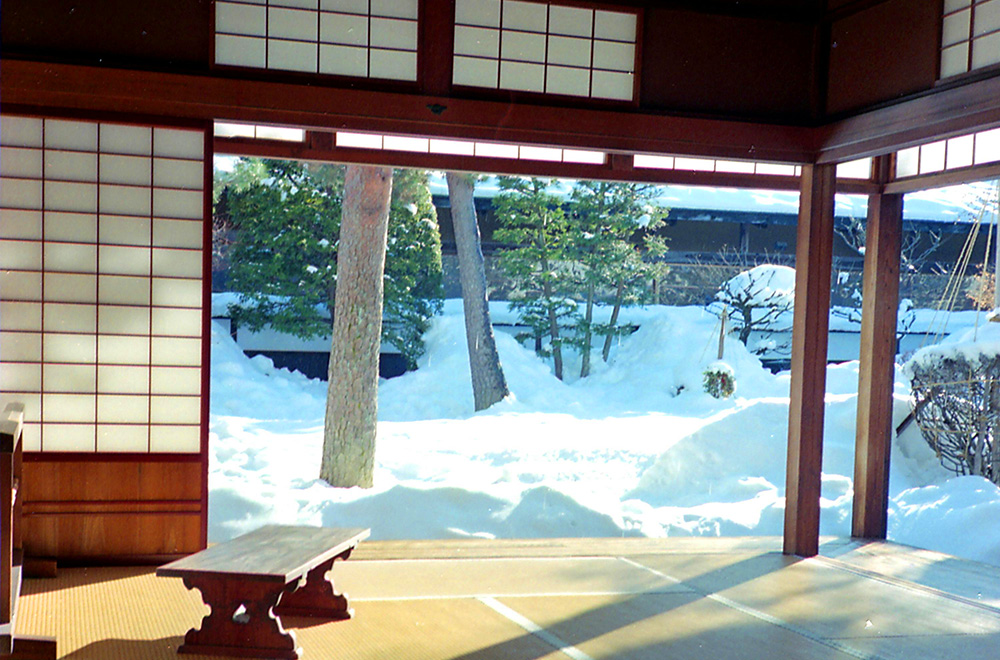
When prospective buyers step inside an akiya, one of Japan’s many vacant or abandoned houses, one of the first surprises is often how cold or hot the interior feels. Unlike modern homes in North America or Europe, where insulation is taken for granted, many older Japanese houses have little or no thermal protection. Understanding how insulation works in akiya, why it differs by region, and what to expect when renovating can help you avoid costly surprises.
A Short History of Insulation in Japanese Homes
Insulation has not always been a priority in Japanese housing. Until the late 20th century, houses were built with ventilation and humidity control in mind rather than airtightness. Traditional kominka farmhouses, for example, relied on thick earthen walls, wide eaves, and cross-ventilation to keep interiors comfortable, but they were not insulated in the modern sense.
Even during the rapid postwar housing boom of the 1950s to 1970s, insulation standards remained minimal. Builders focused on speed and affordability, not energy efficiency. It was not until the 1990s that proper insulation codes began to appear, and even then, regional enforcement varied. Many akiya were built before these regulations, which means they often lack insulation entirely or use outdated materials.
What to Expect Inside an Akiya
Buyers of akiya should be prepared for:
- Thin or missing wall insulation: Walls may consist of wood framing and siding with no thermal layer.
- Uninsulated floors: Raised floors are common, with cold air easily seeping up in winter.
- Drafty windows and doors: Single-pane glass and ill-fitting frames allow heat to escape quickly.
- Roof and attic gaps: Some older homes have partial insulation in the attic, but many do not.
In practice, this means akiya often feel freezing in winter and stifling in summer. Owners typically rely on kerosene heaters, electric space heaters, or localized air conditioning rather than whole-house climate control.
Regional Differences in Akiya Insulation
Insulation practices in akiya vary across Japan, influenced by climate and local building traditions.
Hokkaido and Northern Tohoku
Homes in Hokkaido and northern Tohoku tend to have better insulation than elsewhere, as the climate demands it. Even so, older houses may still be drafty compared to modern expectations. Roofs are often reinforced for heavy snow, and some homes include wall or floor insulation, but performance is usually uneven.
Central Honshu (Kanto and Kansai)
In regions such as Tokyo, Saitama, Osaka, and Kyoto, akiya often have minimal insulation. Winters are relatively mild, so builders historically prioritized ventilation over thermal efficiency. In traditional Kyoto machiya, for example, the wooden lattice façades were designed for airflow rather than warmth, leaving interiors cold during winter.
Rural Mountain Regions (Nagano, Gifu, etc.)
Mountain homes may have partial insulation or thicker wooden framing to withstand cold nights, but many still rely on kerosene stoves and heated tables (kotatsu) for comfort. These houses often suffer from condensation and mold due to the temperature difference between heated rooms and uninsulated walls.
Shikoku, Kyushu, and Okinawa
In southern Japan, homes were built to cope with heat and humidity rather than cold. Akiya in these areas typically have little to no insulation. Large eaves, tiled roofs, and sliding doors allowed airflow, but they do little against summer heat. In Okinawa, reinforced concrete homes resist typhoons but are often uninsulated, which makes interiors feel hot and humid year-round.
Renovation Considerations
For buyers, insulation is one of the biggest and most expensive factors in making an akiya livable year-round. Here is what to keep in mind:
- Wall insulation: Adding insulation often requires removing wall panels or replacing siding, which can be labor-intensive.
- Floor insulation: This can be installed by accessing crawl spaces, but dampness in rural homes may complicate the work.
- Roof and attic insulation: One of the most effective and cost-efficient upgrades, especially in cold regions.
- Windows and doors: Replacing single-pane glass with double or triple glazing is essential for energy savings.
Local governments sometimes offer subsidies for energy efficiency improvements, particularly in regions that promote akiya revitalization. These incentives can help offset costs.
Living with Poor Insulation: What Buyers Should Expect
If you purchase an akiya without renovation, expect to heat or cool only one or two rooms at a time rather than the whole house. Many families traditionally gathered in a single warm space during winter, using kerosene heaters, hot carpets, or kotatsu. In summer, lightweight clothing and fans helped with the heat.
While this lifestyle can be part of the charm of living in a traditional Japanese house, most newcomers eventually choose to invest in insulation and energy efficiency improvements to make the home more comfortable and sustainable.
Conclusion
Insulation in akiya varies widely, but the general rule is that older homes have little to none. Regional differences matter: Hokkaido homes fare better than those in Okinawa, but nearly all pre-1990 houses require upgrades for modern comfort. For buyers, the key is to budget realistically and decide whether to embrace the traditional seasonal lifestyle or invest in renovations that bring old homes up to contemporary standards.