
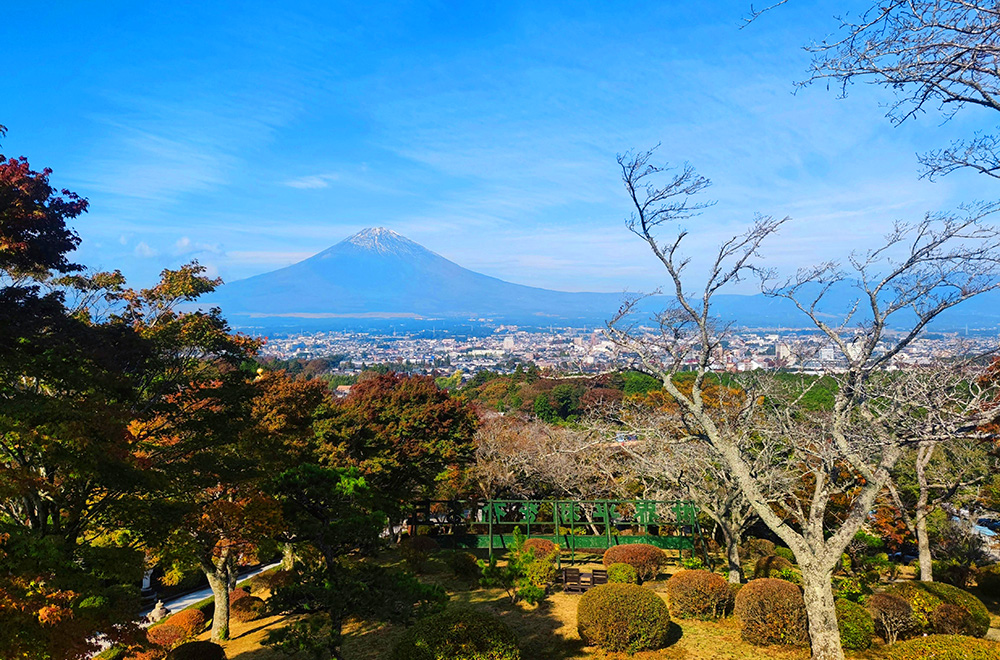
The dream of owning a house in Japan’s tranquil countryside is becoming a reality for more and more people—thanks to akiya (空き家), or vacant homes. But what is it really like to live in one of these properties? Beyond the low purchase price and charming rural settings, life in an akiya comes with a mix of beauty, challenges, and deep personal satisfaction.
In this article, we explore the real-life experience of living in an akiya, based on insights from homeowners, renovation experts, and foreign residents who made the leap.
What Is an Akiya?
Akiya are residential properties that have been left vacant—often due to Japan’s aging population, urban migration, or inheritance issues. These homes range from well-maintained second homes to fully neglected traditional houses with structural damage.
They’re available all across Japan, particularly in:
- Rural farming villages
- Coastal fishing towns
- Mountainous regions with aging communities
Despite being labeled “vacant,” many akiya hold deep potential for transformation.
Daily Life in an Akiya: What to Expect
Peace, Quiet, and Nature
One of the biggest rewards of living in an akiya is the connection to nature. Most akiya are located in regions with:
- Lush forests, rice fields, and rivers
- Minimal noise or traffic
- Clean air and star-filled skies at night
Residents often describe a strong sense of freedom and peace, far from the stress of city life.
Slower Pace and Self-Sufficiency
Life in the countryside follows its own rhythm. Akiya homeowners report:
- More time spent cooking, gardening, or crafting
- A stronger sense of self-reliance (DIY repairs, growing vegetables, preserving food)
- Fewer shops or restaurants nearby, encouraging planning and home life
This lifestyle isn’t for everyone—but for many, it’s a return to simplicity and intentional living.
Challenges of Akiya Living
Maintenance and Repairs
Even after renovation, old houses need more upkeep than new ones. Common issues include:
- Roof leaks or tile repairs
- Wooden structures affected by humidity or termites
- Plumbing or insulation that needs upgrading
- Winter heating challenges in poorly insulated rooms
Regular care is part of the lifestyle—and some owners even enjoy the ongoing improvement process.
Isolation and Transportation
Rural areas often have limited public transport. Owning a car is usually essential. You may also experience:
- Fewer immediate neighbors or social activities
- Long drives to supermarkets, clinics, or hardware stores
- Slower internet speeds in remote regions (though this is improving)
Living in an akiya means embracing solitude—and finding community in smaller, more meaningful ways.
Language and Bureaucracy
Foreign owners must navigate Japanese paperwork for property registration, taxes, utilities, and renovations. Language can be a hurdle, especially when dealing with:
- Utility companies
- Local municipalities
- Older contractors or neighbors
Many expats resolve this by working with bilingual licensed consultants like Akiya Heaven.
The Emotional and Cultural Side
Connection to Local Community
While rural Japanese communities may be cautious at first, many homeowners report eventually being welcomed warmly—especially if they:
- Participate in local festivals or cleanups
- Show interest in traditions or language
- Contribute by starting small businesses or offering services
Living in an akiya is more than having a house—it’s about becoming part of a region’s cultural fabric.
Personal Transformation
For many, moving into an akiya is a life-changing experience. It inspires:
- Creativity (art, writing, restoration projects)
- Mental and emotional healing
- A renewed sense of purpose
The act of bringing an old home back to life becomes a reflection of personal growth and freedom.
Costs and Long-Term Value
Monthly Expenses
While the initial cost is low, owning an akiya involves:
- Fixed property taxes (typically low in rural areas)
- Utility bills (electricity, gas, water, sometimes kerosene)
- Ongoing maintenance or seasonal renovations
- Car ownership and insurance in most cases
Still, many owners report their total cost of living is significantly lower than it was in the city.
Is Rural Lifestyle Right for You?
Living in an akiya in rural Japan is ideal for those who:
- Value peace, independence, and nature
- Enjoy DIY projects and home care
- Can work remotely or have flexible income
- Are open to adapting to Japanese rural culture
- Want to escape high urban costs and live more intentionally
It may not suit those who need fast-paced access to entertainment, modern infrastructure, or frequent international travel.
How Akiya Heaven Supports You
At Akiya Heaven, we don’t just help you buy a house—we help you build a new lifestyle. Our team supports you through every phase:
- Bilingual consulting from property search to settlement
- Legal and document support with our licensed real estate partner
- Renovation planning with vetted contractors
Whether you’re moving to Japan full-time or seeking a part-time countryside base, we’re here to help make your akiya dream livable and sustainable.
Contact Us Today!
Ready to explore the potential of an akiya? Reach out to us at contact@akiyaheaven.jp to discuss your options and begin your journey toward owning a unique Japanese property. Akiya Heaven’s experts are here to answer your questions and provide the guidance you need. Unlock the potential of an akiya and turn an abandoned home into your ideal property. Contact us now to learn more!